The destruction and displacement of 25 Black communities on U.S soil
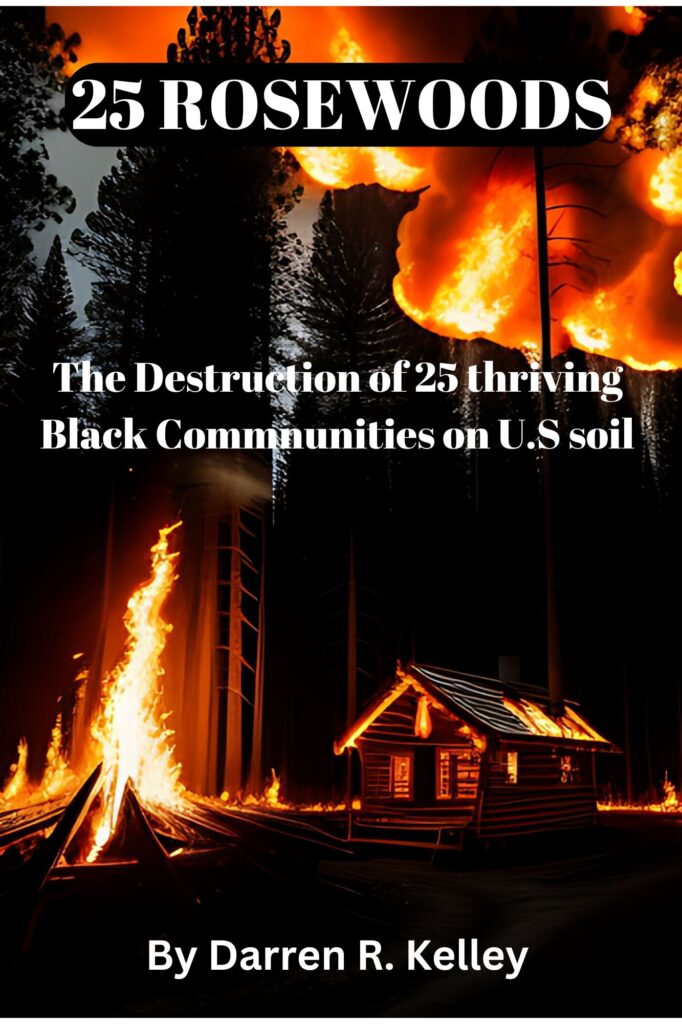
At the dawn of the 20th century, Black communities across the United States carved out spaces of prosperity, independence, and cultural vitality in the face of Jim Crow segregation and systemic racial violence. From rural enclaves to urban neighborhoods, these towns were more than just places to live—they were bold declarations of freedom. Built by the formerly enslaved and their descendants, Black towns became crucibles of political activism, educational advancement, and economic self-sufficiency. But this rise of Black autonomy was met with a devastating backlash.
Between 1917 and 1923, in what became known as the Red Summer and the years that followed, a wave of white mob violence swept across the country. This period was marked by hundreds of race riots and lynchings, where white mobs targeted Black communities with the explicit goal of suppressing Black advancement. Cities like East St. Louis (1917), Chicago (1919), Washington D.C. (1919), and Elaine, Arkansas (1919) witnessed some of the bloodiest racial massacres in American history. The violence often came in response to perceived economic competition, false accusations against Black residents, or simply the presence of Black prosperity and self-determination.
These were not isolated outbursts of anger—they were coordinated campaigns of racial terror, enabled and often perpetrated by law enforcement, local officials, and white civilians acting with impunity. Homes were burned to the ground, businesses looted, families lynched or driven into hiding, and entire communities displaced or erased from the map. The death toll remains uncertain, in part because records were suppressed or never kept. But the legacy of these atrocities continues to haunt the landscapes where they occurred.