The 13th, 14th, and 15th Amendments in context
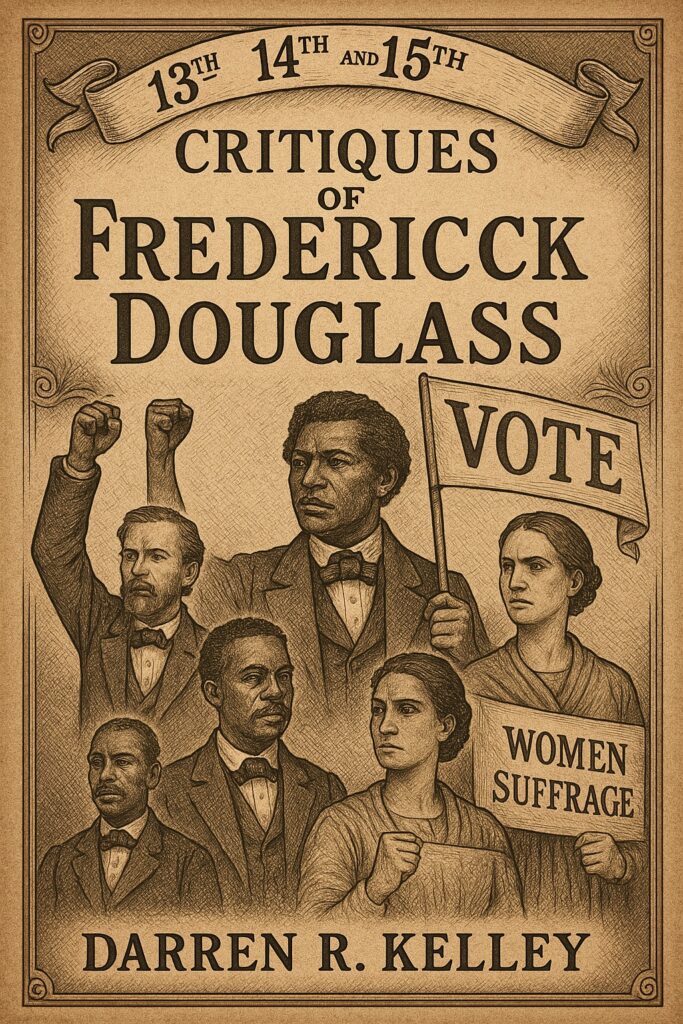
Frederick Douglass emerged as a central figure in abolitionism and the rights of African Americans. His writings and speeches highlighted the conditions of slavery and the necessity of equality. These positions informed his advocacy for the 13th, 14th, and 15th Amendments that abolished slavery, established constitutional guarantees of citizenship and equal protection, and prohibited the denial of the right to vote based on "race, color, or previous condition of servitude." His efforts coincided with the work of women’s rights activists who continued to challenge the prevailing political and social order.
Douglass’s leadership on behalf of civil rights encountered resistance. After the passage of the 14th and 15th Amendments, he stated that the “Negro’s hour” had arrived—a prediction interpreted as excluding women from the new legislation. This position drew criticism from organizers who argued that Douglass privileged African American men’s voting rights at the expense of black and white women.